A till that balances itself at the end of the shift
We analyze your till sales and closing, and implement Odoo Point of Sale connected to inventory, card terminals, accounting and e-invoicing.
35questions, 9 minutes and your result at the end
Signs your company needs one
- The till is balanced by hand every day
- Credit sales are tracked in a notebook
- Electronic receipts are rejected or sent late
- Voids need no authorization
- Store stock does not drop with the sale
- Card or QR sales are reconciled against the bank by hand
Company profile for point of sale, and when it is not a fit
Good fit
- You sell over a counter or in stores with one or more till shifts.
- Till closings are balanced in a notebook or in Excel.
- Store stock does not match what was sold.
Poor fit
- You only sell on quotes and credit invoices: the ERP sales module is enough.
- You need table orders and kitchen tickets: a restaurant system is worth assessing.
- Tills have no hardware or stable connection: infrastructure comes first.
The cost of staying as you are
Differences with no owner
With shared logins and unrecorded voids, every shortfall is argued over and none is explained.
Hours of reconciliation
The back office matches slips, deposits and sales one by one, and processor errors are found late.
Restocking blind
If stock doesn't drop with the sale, you overbuy what is left over and underbuy what runs out.
Point of sale analysis in four steps
Process and data first, the tool second. Each step ends in a deliverable you review.

A full shift at the till
We observe opening, sales, voids, payments and closing with the cashiers, and note each step done outside the system.
Products, prices and customers
We review the product master, barcodes, price lists and credit customers.
Hardware and payment methods
We test printer, card terminal, scanner and scale with the software before committing to dates, and define the ledger account for each payment method.
Go-live store by store
We start on a pilot till, measure differences and rejections, and roll out to other stores with the closing already proven.
Your company's inputs to the point of sale project
The list is confirmed at the first meeting and adjusted to your case.
Data
- Products with barcodes, prices and units
- Credit customers and customers who need invoices
- Payment methods and settlement accounts
People
- A store manager who approves closing and voids
- One cashier per shift for testing
Access
- Till hardware: computer or tablet, printer, scanner and drawer
- Credentials for the payment processor and the e-receipt issuer
From assessment to point of sale implementation
We implement this type of system
Scope
We implement point of sale with Odoo Point of Sale for shops, restaurants and self-service kiosks, connected to inventory, accounting and e-invoicing. If your case calls for another platform, we compare options against your requirements.
Till assessment
Opening, closing, void, credit and payment method rules, written down and approved by you.
Odoo Point of Sale implementation
Shop, restaurant with kitchen display or self-service, with inventory, accounting and electronic receipts.
Card terminal integration and reconciliation
We connect the card terminal to the till and set up reconciliation of settlements against sales.
Market options for point of sale
In no order of preference. The choice comes from your requirements, your budget and the systems you already have.
Odoo Point of Sale
Odoo Point of Sale runs in the browser or on a tablet, keeps selling if the internet drops and shares inventory and accounting with the rest of Odoo. It has versions for shops, restaurants and self-service kiosks.
Other platforms we assess
- Oracle MICROS Simphony
- Lightspeed
- Toast
- Square
- LS Retail (LS Central)
- NCR Voyix
Selection criteria
- Compatible hardware: printer, card terminal, scanner and scale
- Offline selling
- SUNAT electronic receipts from the till
- Connection to your ERP, inventory and payment processor
Point of sale limits and ways to cover them
The till does not fix faulty product master data
Codes and prices are cleaned up before go-live.
Selling without internet has limits
It is defined which sales continue offline and how they sync back.
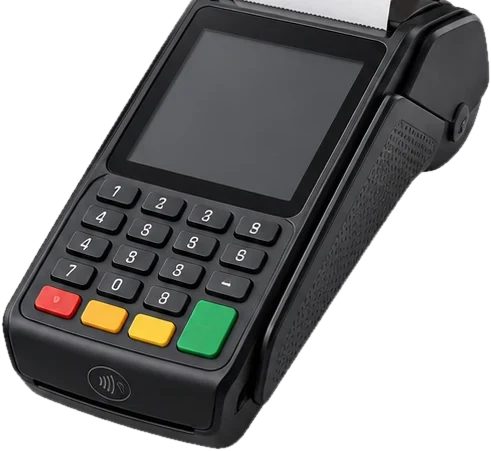
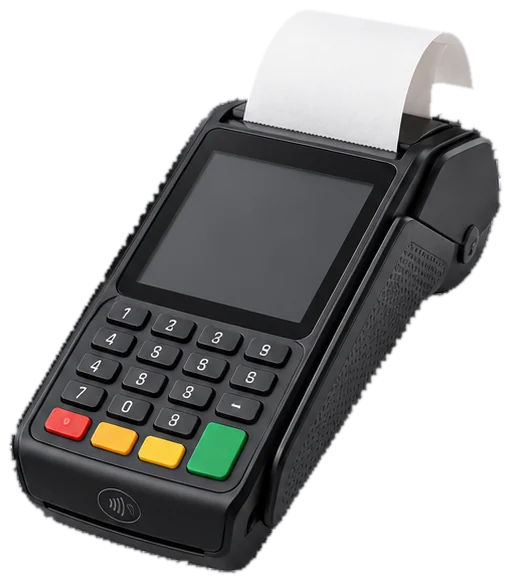
The card terminal comes from the payment processor
It is connected as far as the processor supports; with no integration, the till stores the payment reference.
Connections between point of sale and other systems
Payment gateways and terminals
The card terminal receives the amount from the till and returns the confirmation.
See the systemE-invoicing (SUNAT/OSE)
Each sale goes out with its validated receipt or invoice.
See the systemEnterprise resource planning
The sale reduces stock and reaches accounting.
See the systemLoyalty programs
Points and coupons are applied at the same till.
See the systemMulti-store retail
Prices, promotions and stock per store from one place.
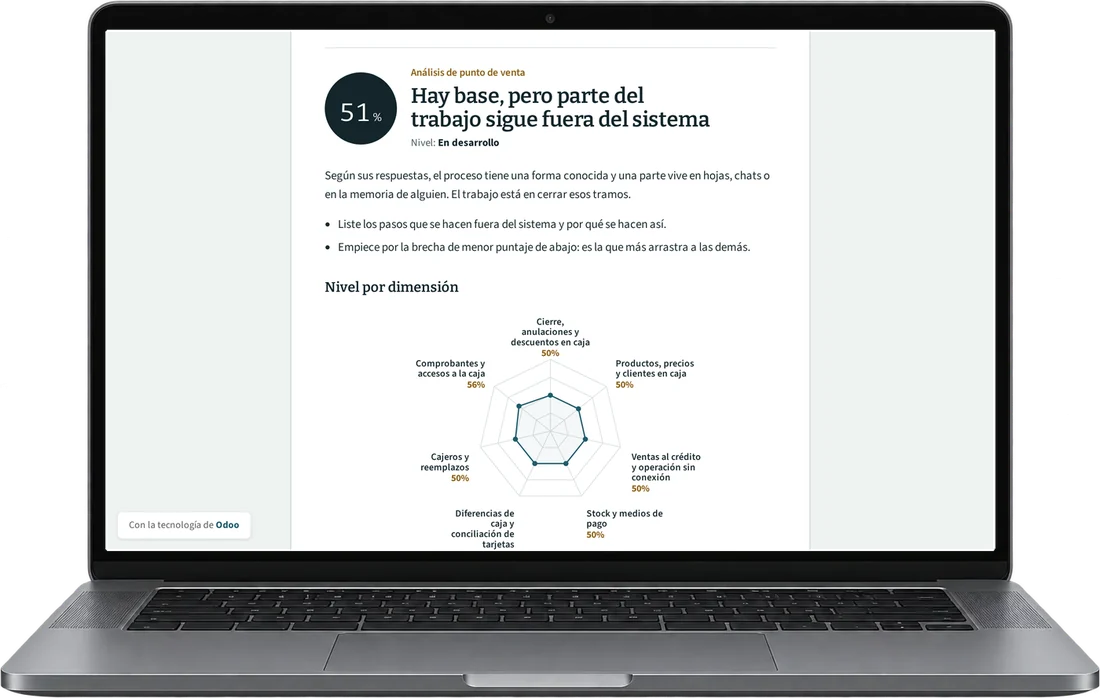
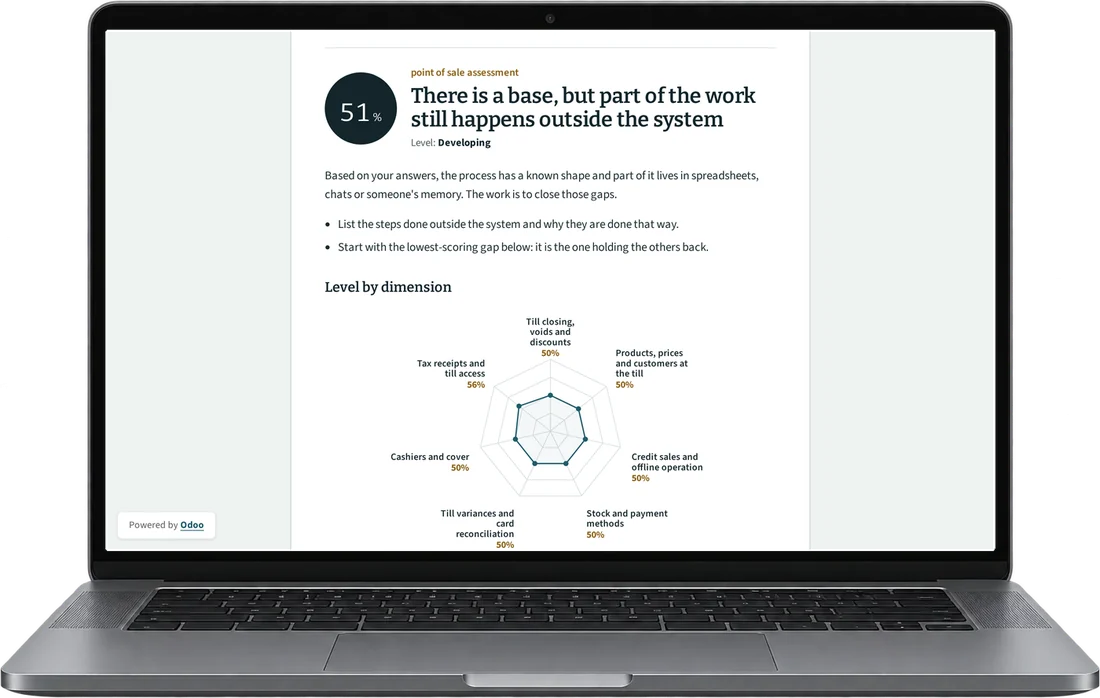
See the systemPoint of sale assessment: 35 questions, 9 minutes
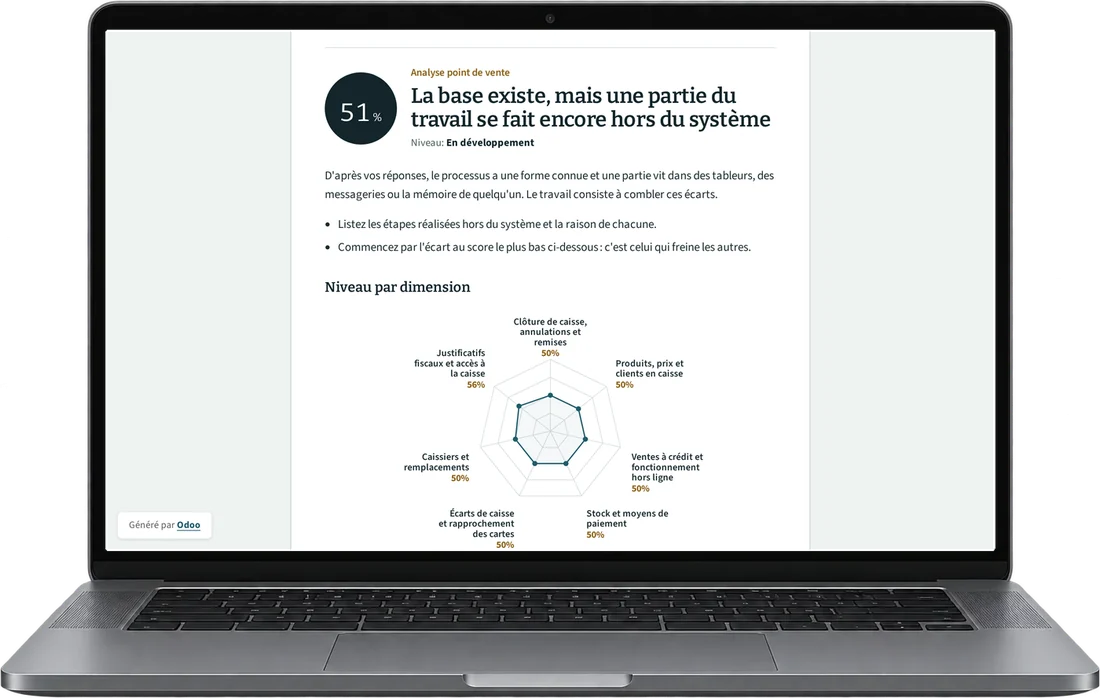
This analysis reviews how your registers operate, from product scan and card or QR payment to blind close and the receipt sent to SUNAT. The questions describe what happens in a real register shift.
Scored dimensions
- Close and count by payment method. Looks at whether each shift closes with a blind count by payment method, recorded cash drops and differences reviewed per cashier.
- Voids, discounts and permissions. Looks at whether voids, manual discounts and refunds require a supervisor code with a reason, and whether each cashier logs in with their own PIN and role permissions.
- Product master and store stock. Looks at whether barcodes, prices and promotions reach each register from a single master and whether each sale deducts store stock at once.
- Card, QR and credit payments. Looks at whether the register sends the amount to the pinpad and receives confirmation, whether Niubiz, Izipay or Yape payouts are reconciled per ticket and whether customer credit has balance and limit.
- Receipts and register offline mode. Looks at whether register receipts and invoices reach SUNAT on time, whether rejections are handled and whether the register keeps selling offline without duplicate tickets.
- Cashiers and shift cover. Looks at how many people per shift can run the register unaided and how a new cashier is trained before serving customers.
What you receive
When you finish, you receive your level in six register operation dimensions and the gaps ranked by weight. Each gap comes with a first action the store manager can verify.
17 scored questions and 13 context questions (type of operation, size, current system). Context questions are not scored: they let us read the result against similar operations.
Free of charge. Only Diego Muñoz sees your answers.
Common questions about point of sale
If your question is not listed, Diego answers it on WhatsApp during Lima business hours.
We test it before committing to dates. If a device is not compatible, we tell you, with the alternative and its cost.
Odoo Point of Sale keeps selling and syncs when the connection returns. Receipts are sent to SUNAT once the network is back.
Yes, that is what we recommend: one pilot till, measurement of differences and rejections, then the rest.
The online assessment and the 30-minute review with Diego are free and carry no commitment.
Only Diego Muñoz sees them, to prepare the review. They are not shared with third parties or used for bulk mailings.
Review your case with Diego in 30 minutes
Diego Muñoz replies in person, on Lima time. If you have taken the assessment, he comes with your answers already read.
WhatsApp +51 919 488 260 · damunoz@dmunozgroup.com