The actual cost of each cost item while the project runs, not at final settlement
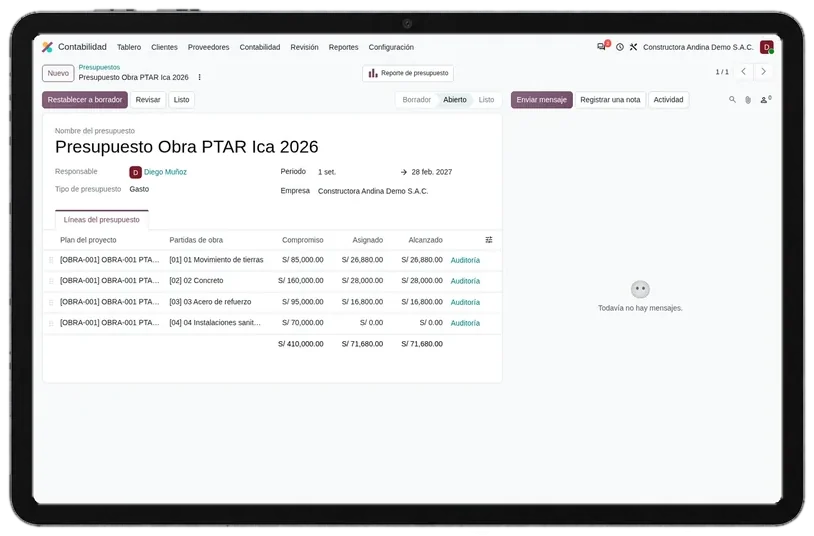
I implement budget by cost item, purchases against balance, progress valuations and per-project accounting in standard Odoo, starting from your S10 budget if you have one.
36questions, 8 minutes and your level across five dimensions at the end
Signs your projects need cost-item control
- The budget is in S10 and never checked against purchases
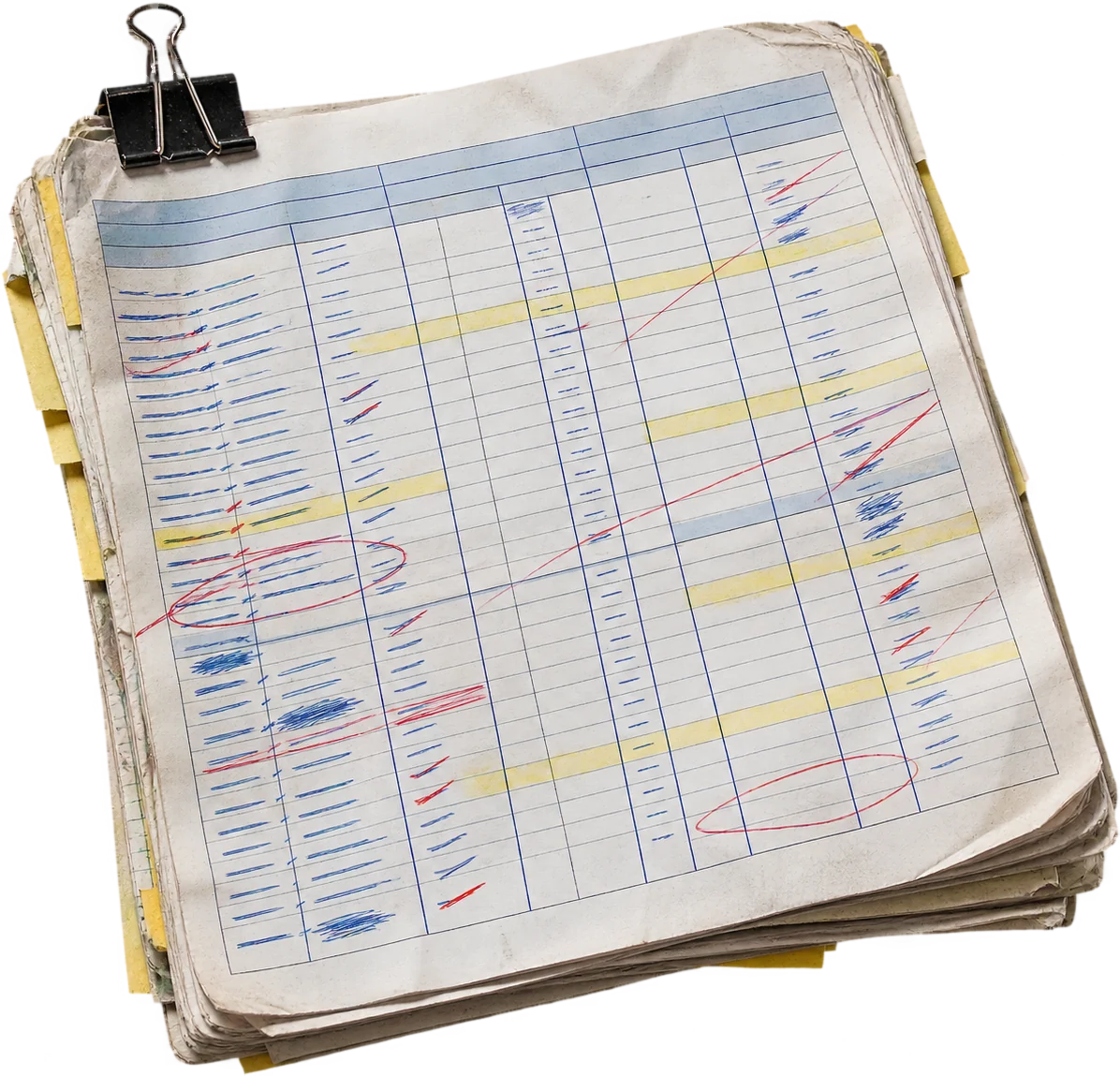
- Valuations are built in Excel every month
- Advances, retention and withholdings are tracked separately
- Nobody knows spend by cost item against budget
- Purchase orders are approved without seeing the item balance
- Actual cost is known at final settlement
- Each site manager reports in their own format
The cost of learning the margin at close-out
Margin spent unnoticed
Purchases approved without seeing the item balance consume the margin before the project ends.
Cash funding the project
Hand-built valuations delay invoicing, and the company fronts materials and payroll from its own cash.
Surprises at settlement
Under-recovered advances, expired guarantees or unreconciled withholdings show up when there is no room left to fix them.
Construction control: who it serves and when it does not fit
Who it serves
- Builders and specialty contractors with several jobs running at once
- Construction managers who need actual cost by cost item every week
- Companies with public works tracking advances, performance bonds and withholdings
- Accounting teams that receive site purchases today with no cost item
When it does not fit
- If you need unit price analysis and engineering take-offs: that stays in your estimating software; Odoo receives the result.
- If the company only runs service projects without materials: PSA fits better.
- If there is one job a year and accounting is outsourced: a cost-item control sheet may be enough.
How I assess construction control in four steps
Cost-item codes are agreed before importing anything, because budget, purchasing and accounting all use them. The deliverables are the analytic plan, the loaded budget, the tested purchase and valuation cycle, and the per-project dashboard.

I agree the code structure
One cost-item code structure for budget, purchasing and accounting, before importing.
I load the budget as the baseline
From S10 or another source, with quantities and prices by cost item.
I connect purchasing and valuations
Purchases against item balance and invoices from the valuation, with advance, retention and withholding.
I test on a live project
One project runs the full cycle and I measure actual cost against budget weekly.
Inputs from your construction company
A job in progress with its budget and the month’s purchases serves as the pilot. The full cycle is tested on it.
- Data
- The pilot job’s budget exported from S10, Presto or Excel, with cost items, quantities and prices, plus last month’s purchases.
- Master data
- Cost-item codes, site suppliers and products, and contracts with advances, retention and performance bonds.
- Access
- An Odoo administrator user with Accounting, and the company’s SUNAT e-invoicing setup.
- People
- The pilot job’s site manager, the head of estimating and the accountant who closes the month.
From the job budget to actual cost by cost item
I implement this type of system
Project control assessment
Journey from budget to final settlement, with the points where cost drops out of sight.
Standard Odoo implementation
Project, purchasing, budgets and analytic accounting by project and cost item, with valuations invoiced by milestone. Retention and performance bonds are recorded with accounts and documents, with no dedicated model.
Budget migration
Import from S10 with the agreed cost-item codes, and its review.
Projects dashboard
Actual cost against budget by cost item, and valued against collected per project.
Diego Muñoz. I implement construction project control in Odoo: budget by cost item, purchases checked against each item’s balance, progress valuations and analytic accounting per project. If your budget is in S10, I bring it into the system with the agreed cost-item codes; if you prefer another platform, I compare options such as Procore or Presto.

Construction software and Odoo
Some tools handle estimating and scheduling, others cost control with accounting. The list is in no order of preference.
Odoo Project, Purchase and Analytic Accounting
With standard apps: Analytic Accounting with one plan per project and one per cost item, Budgets showing what Purchase has committed (the order flags when it exceeds the balance), Sales with milestone invoicing for valuations, and Peruvian e-invoicing with withholding. It is the option I implement.
Other construction systems I assess
- S10 Costos y Presupuestos
- Procore
- Oracle Primavera P6 / Aconex
- Autodesk Construction Cloud
- Presto
Limits of standard Odoo on construction
- Odoo does not do unit price analysis; the budget arrives from your estimating software as lines per cost item.
- Retention has no dedicated field: it is recorded with a retention account and a payment term on the valuation invoice.
- Performance bonds are tracked as documents with an expiry date and a reminder activity, not as a guarantees module.
Criteria for choosing the construction system
- Budget import with your cost-item codes
- Valuations with advance, retention and withholding
- Accounting and SUNAT e-invoicing on the same database
- Site manager access from site
- Number of projects and users, and three-year cost
Construction control integrations
Enterprise resource planning
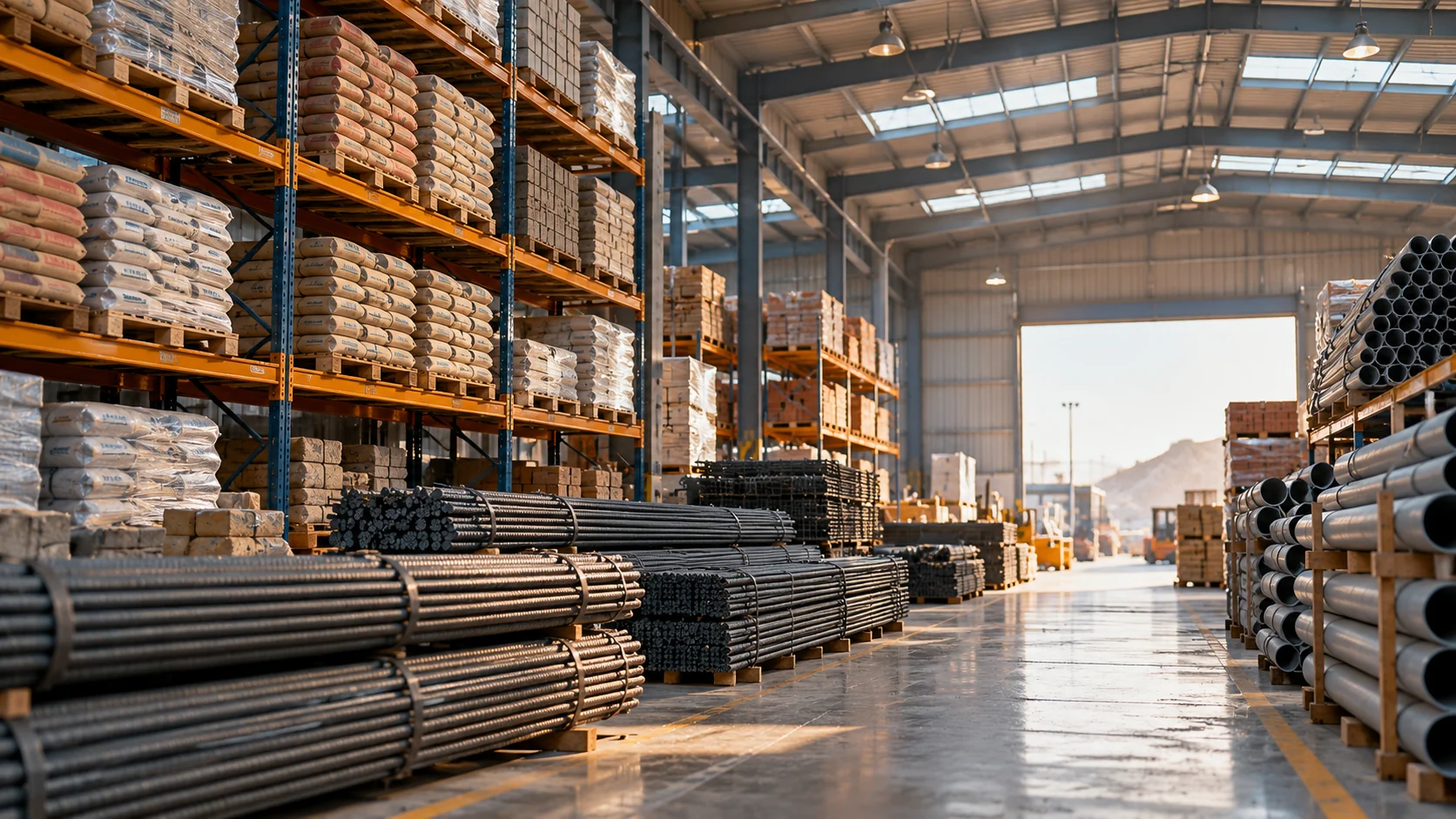
Company purchasing, warehouse and accounting share the project codes.
See the systemE-procurement
Supplier quotes arrive with the cost item and are compared against its balance.
See the systemAccounting and financial ERP
Each invoice and payroll entry lands on the project and cost item at entry.
See the systemE-invoicing (SUNAT/OSE)
The valuation invoice goes out with the withholding and the notes SUNAT requires.
See the systemProject and portfolio management
Project milestones and schedule are tracked alongside cost.
See the systemBusiness intelligence and data warehouse
The dashboard compares projects using the same indicators.
See the systemSpend and expense management
Site petty cash and expense reports are charged to their cost item.
See the system36 questions on your construction control, in 8 minutes
This assessment measures how a construction company controls its projects by line item, from baseline to close-out. The questions cover purchasing against balance, quantities, valuations, accounting cost, bonds and SPOT deductions.
Scored dimensions
- Baseline and line item balance. It checks whether each project starts with a reference budget by line item and whether every purchase is committed against that balance.
- Quantities and site progress. It checks how executed quantities, site warehouse consumption and site manager reports are recorded.
- Progress billing and collection. It follows the path from approved quantities to the valuation, the invoice and the payment, including advances and subcontracts.
- Actual cost by line item. It checks whether invoices, payroll and consumption reach accounting with project and line item, and whether that cost is compared with the budget.
- Bonds and tax withholdings. It checks the control of performance bonds, retention funds, subcontractor withholdings and SPOT tax deductions by project.
What you receive
At the end you receive your project control level and the gaps by dimension. Each gap comes with the first concrete action to correct it on your next project.
18 scored questions and 13 context questions (type of operation, size, current system). Context questions are not scored: they let us read the result against similar operations.
Free of charge. Only Diego Muñoz sees your answers.

Construction control FAQ

No. If you estimate in S10, the budget is still built there. I export it with the agreed cost-item codes, load it as the job’s analytic budget, and purchase and valuation control runs in Odoo.
Yes. Valuations are invoiced by milestone and advances are offset against them. Retention is recorded with a retention account and performance bonds as documents with an expiry date; neither has a dedicated model in standard Odoo. I test these rules on a live project before rolling them out.
It is a known risk. I start with the minimum the site manager records from site (requisitions, progress and consumption) and train people on site, not only in the office.
The online assessment and the 30-minute review with me are free and carry no commitment.
Only I, Diego Muñoz, read them, to prepare the review. I do not share them with third parties or use them for bulk mailings.
Review your construction control with Diego
Twenty minutes with the budget of a job in progress and its latest valuation. I reply in person, on Lima time.
WhatsApp +51 919 488 260 · damunoz@dmunozgroup.com