Payments, POS and marketplaces that reconcile with your books on their own
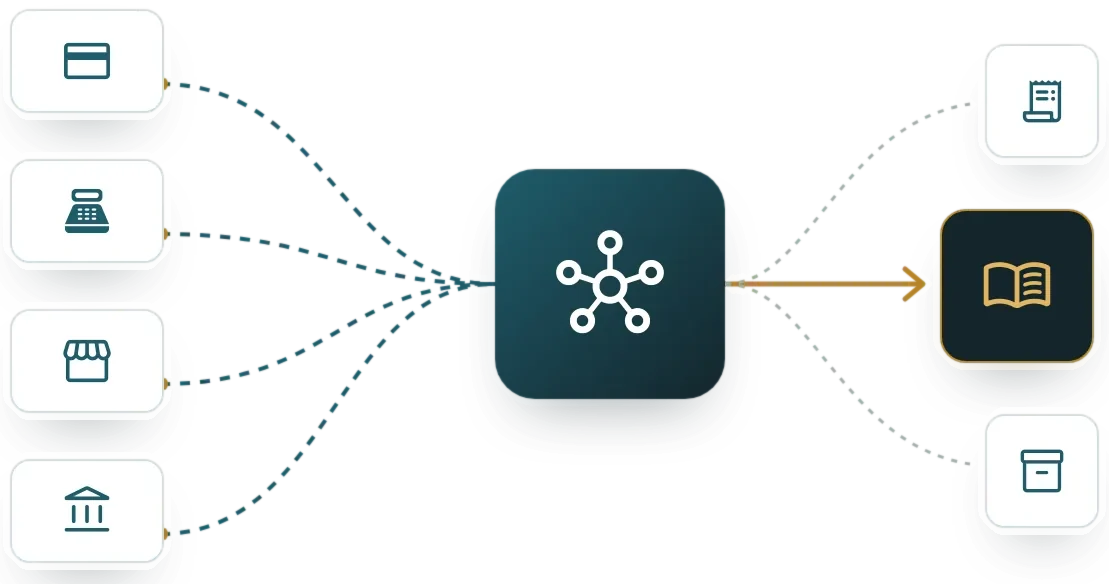
Diego Muñoz connects your payment gateway, tills and marketplace to your ERP. Each sale arrives with its payment method and its fee, and the bank deposit is reconciled against the day’s sales.
Gateways, tills, marketplaces, banks and e-invoicing, reviewed through their API before any quote
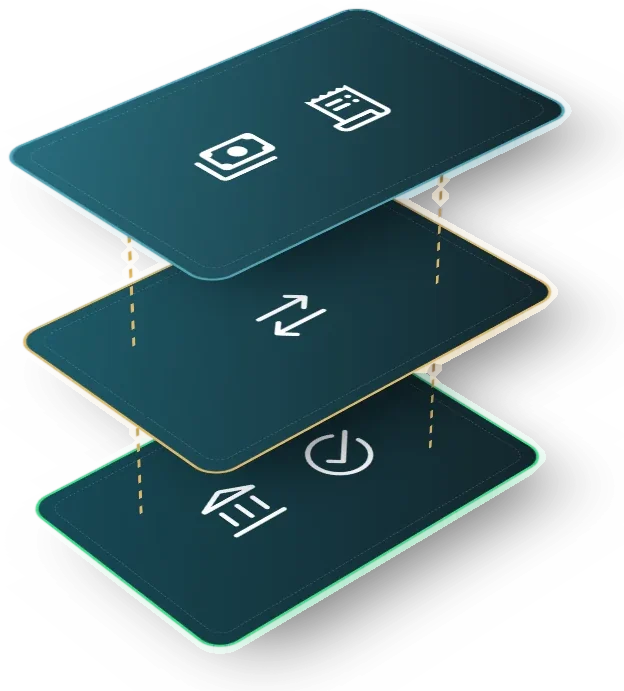
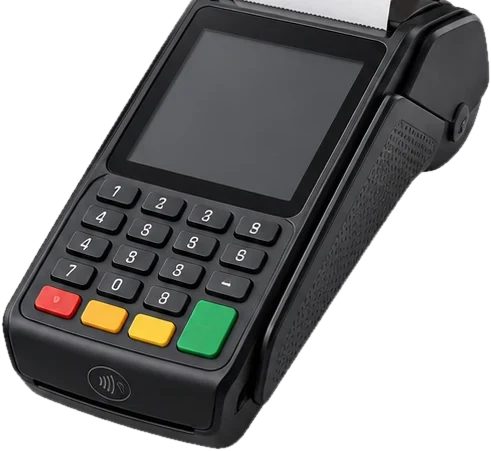
Today the card deposit is matched by hand against each till
This is the path of a card sale when the gateway, the tills and the ERP do not talk to each other. Tick the situations that happen in your company.
What it costs to carry on like this
Fees nobody checks
If the processor charges a rate other than the agreed one, it surfaces months later, if at all.
Closings that wait for the spreadsheet
Accounting cannot close the month until someone finishes matching deposits to sales.
Sales lost without a trace
An order that never reached the ERP is neither invoiced nor taken from stock, and nobody is alerted.
How Diego connects your systems with the DMG-RT method
DMG-RT is Diego’s own method: every change to the system answers a business indicator measured before implementation. For integrations, the indicator is the weekly hours of manual keying and reconciliation.
Assessment: we follow one sale from the till to the bank
Diego reviews each provider’s reports, the bank statement and the ERP with finance and IT. He measures how many hours a week go into keying and reconciling.
Deliverable: Findings letter with the provider map, their APIs and the hours baseline, in 15 business days.
Design: proof of concept before committing to a date
Test credentials are requested from each provider and the connection is built in a sandbox. Sample sales, including voids and refunds, are reconciled with your accountant.
Deliverable: Data mapping per provider, test cases approved by finance and a signed baseline.
Implementation and control: go-live with a double check
The connector goes live on the agreed date and runs alongside the manual process for a period. Each sync error raises an alert with the failed record and how to retry it.
Deliverable: Connectors in operation, email or WhatsApp alerts and a reconciliation-hours dashboard.
Handover: the connector is yours
You receive the code, the documentation of each connector and the credentials in your company’s name. Your team, Diego or another provider can maintain it.
Deliverable: Closing record, a manual per role and reviews at 3, 6 and 12 months with the same measurement.
Indicator sheet
- Indicator
- Weekly hours of manual keying and reconciliation
- Source
- Finance time log in F1; then the reconciliation dashboard
- Baseline
- Measured in F1 and signed by finance in F2
- Review
- Every two weeks in F3 and at 3, 6 and 12 months
The processor deposit is reconciled against the day’s tills
The usual objection is that the integration breaks and nobody notices. In Odoo each point-of-sale payment method has its journal, each till session posts its entry and the bank deposit is reconciled against those sessions. Whatever does not match stays visible in the bank reconciliation.
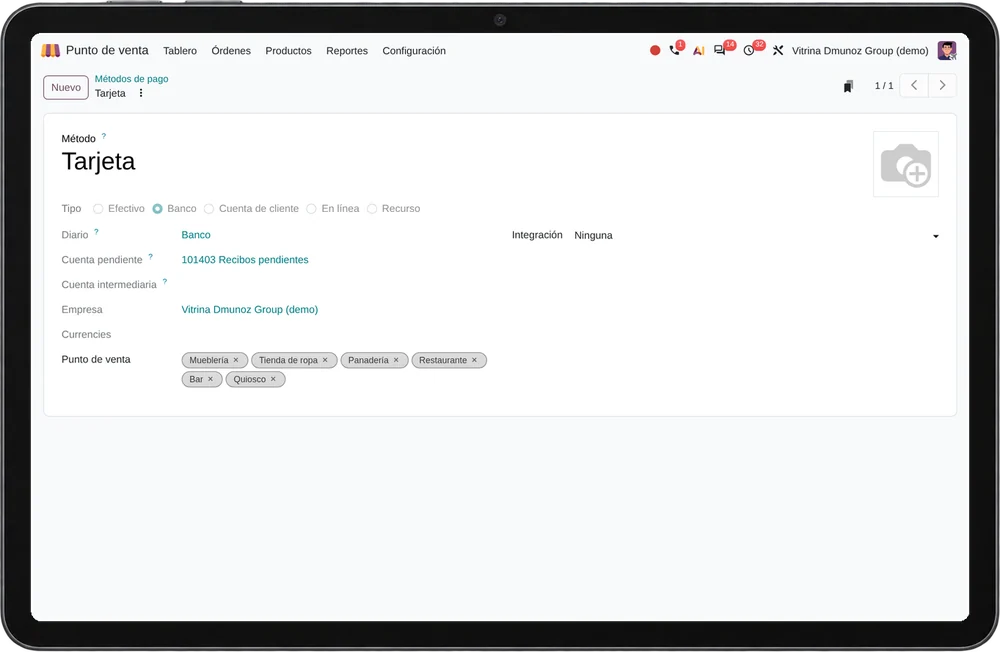
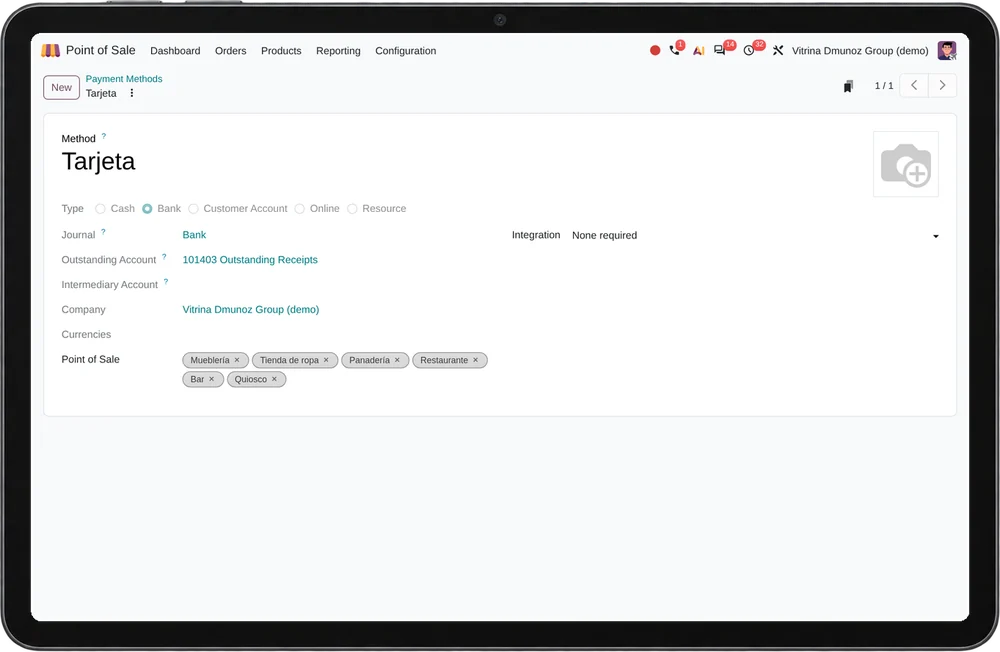
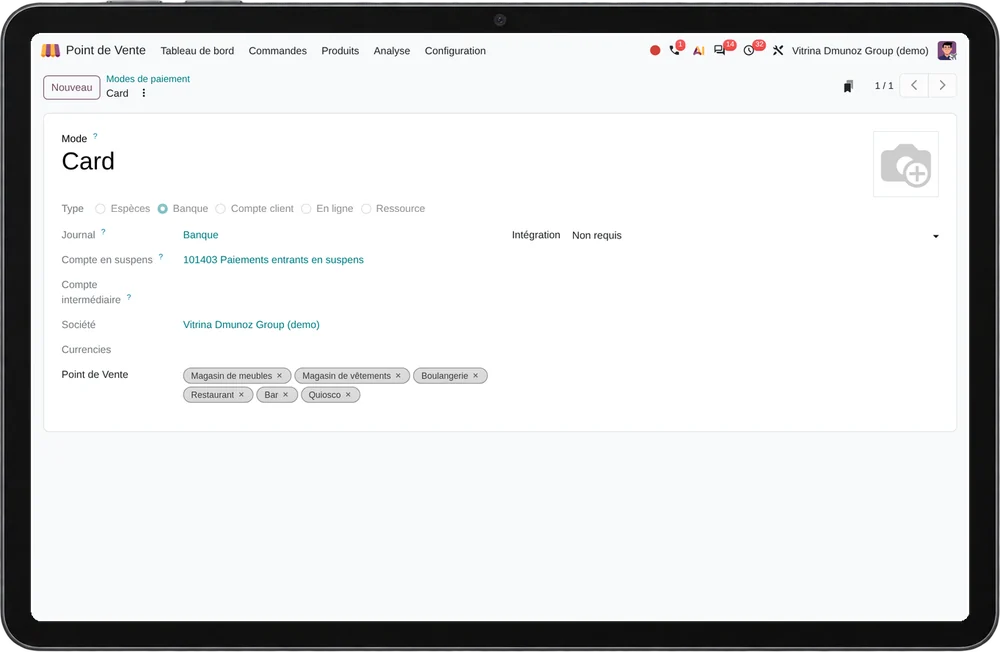
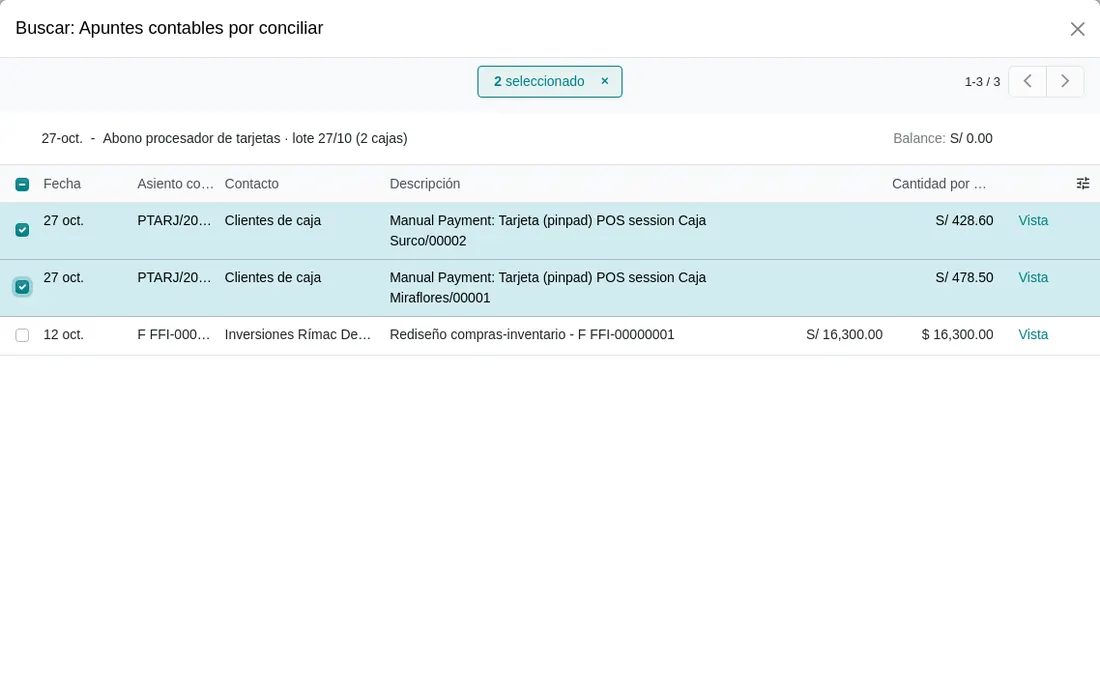


Standard Odoo 20 demo instance, fictitious data.
Review with Diego how a card sale is reconciled in your company today.
Book a 30-minute assessmentWhat you provide and what you receive
You provide
- The list of gateways, tills, marketplaces and banks, with each one’s technical contact.
- Test credentials for each provider, or authorisation to request them in your name.
- One month of gateway reports and bank statements, and a finance user who validates the test cases.
You receive
- Documented connectors, with the data mapping of each provider.
- Deposits reconciled against sales, with fees booked in the same operation.
- Sync alerts with the failed record, and the code in your company’s name.
When this service is not a fit
If your provider has no API and does not export files regularly, there is nothing to connect reliably, and we tell you so in the review. If double entry happens inside the company rather than with a provider, it is better to start with a single ERP. See ERP with Odoo
Systems involved in an integration
- Integration and APIsConnectors, queues and retries between your ERP and each provider.
- Payments and terminalsGateways, card terminals and processor deposits.
- Point of saleTills that close their session against the ERP every shift.
- E-commerceOrders, prices and stock in sync with the online store.
- Electronic data interchange (EDI)Orders and invoices with chains and distributors, without keying them again.
- ObservabilityMonitoring of each connector and an alert when a sync fails.

Diego reads the provider’s API before promising a date
Diego Muñoz reviews the documentation of each gateway, till and marketplace, requests test credentials and confirms what data each service returns. If a provider has no API, he says so before quoting.
He works through the cases that fail most with your accountant: voids, refunds, partial payments and fees. The connector is documented and registered in your company’s name.
- Odoo 17, 18, 19 and 20
- Peruvian localisation: SUNAT and PLE
- Enterprise architecture with TOGAF
Questions about integrations
Which providers do you work with?
Those with a documented API or regular file exports. Before quoting we review yours and tell you what can be automated.
What if the provider’s API fails?
The connector retries and, if it cannot, alerts you with the pending record and how to retry it. No sale is lost silently.
Do I need to change ERP?
Not necessarily. If your ERP has an API, we build on it. If not, we tell you in the assessment.
Who owns the connector?
You do. You receive the code, the documentation and the credentials in your company’s name, and you can maintain it with Diego or another team.
How is it paid?
A fixed amount per phase, paid on delivery of each milestone. You decide at the end of each phase whether to continue.
Review one day of sales reconciliation with Diego in 30 minutes
- You explain which providers you use and how you match deposits today.
- Diego points out what data each API returns and what can be connected.
- You receive the next step in writing, with your current ERP or with Odoo.