Samples with visible status and results without transcription
A LIMS records samples, tests, results, instruments and certificates with full traceability. We analyse your laboratory workflow and help you choose.
36 questions: sample receipt and tracking, methods and specifications and 4 more topics
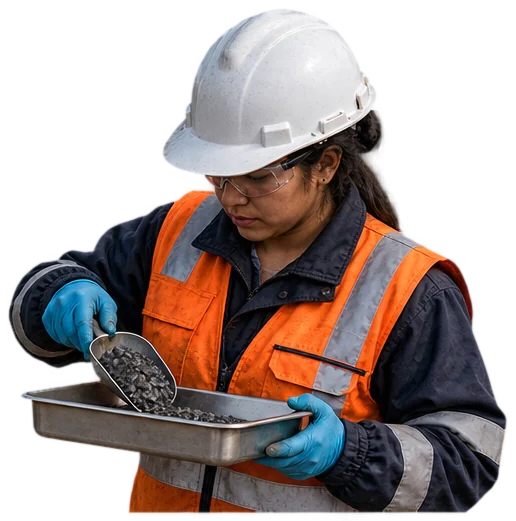
The laboratory, from sample receipt to certificate
A laboratory information management system (LIMS) tracks each sample through its stages, receives instrument results, compares them with the specification and issues certificates.
It also controls calibration and analyst qualification, as ISO/IEC 17025 requires.
Processes it covers
- Sample receipt
- Test planning
- Result recording
- Lot release
- Instruments and calibration
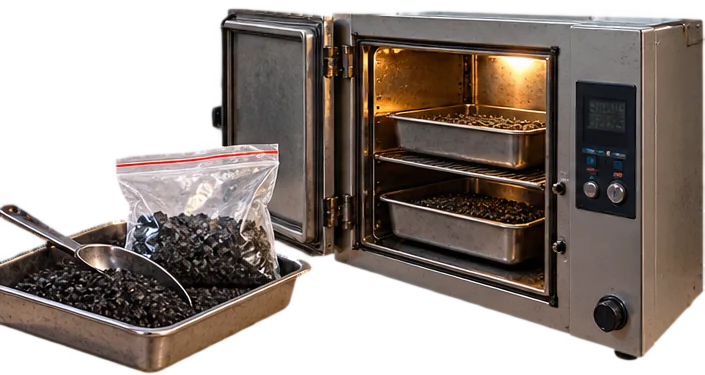
Companies that need a LIMS, and cases where another option fits better
Who it is for
- In-plant quality control laboratories: food, mining, water, pharma, agro-exports
- Testing laboratories that serve third parties and issue signed reports
- Lab managers who transcribe results from instruments to spreadsheets and from spreadsheets to certificates
When it is not the right fit
- If the lab handles few samples with few tests, quality checkpoints in the ERP may be enough
- If the problem is managing nonconformities and documents plant-wide, the right system is a QMS
Signs it is time to assess a LIMS
- Results are copied from the instrument into a spreadsheet
- Nobody knows what stage a sample is at or when the result will be ready
- Instrument calibration is tracked in a separate calendar
- ISO/IEC 17025 accreditation requires traceability you cannot demonstrate today
- Certificates of analysis are built by hand for each customer or lot
- Production waits for lot release with no view of the laboratory
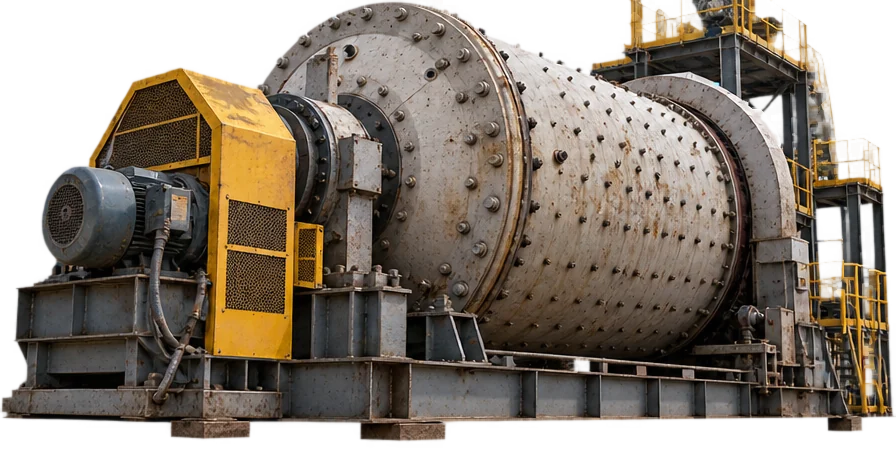
The cost of transcribing results
Transcription errors
Every hand-copied result can change along the way, and accreditation requires proof that it did not.
Lots waiting
Production does not know when the result will be out and the lot waits in quarantine longer than needed.
Certificates by hand
Building a certificate per customer or lot takes analyst hours away for admin work.
From sample receipt to signed certificate
Online assessment
36 questions on laboratory management. When you finish you see your level by dimension.
30-minute review
Diego reviews with you a sample’s path from arrival to certificate, and at which steps data is transcribed.
Laboratory workshop
We follow a sample from receipt to certificate, list the instruments and review methods, specifications and calibration.
Selection and integration
We compare 2 to 4 LIMS against your volume and standard, and define the integration with quality and lot release in the ERP.

Data, master records and access your company provides for a LIMS
- Catalogue of tests and methods with specifications per product
- Instrument list with its data output (file, serial port, software)
- Current certificate of analysis format and who signs it
- Instrument calibration and maintenance records
- Accreditation or customer requirements the lab must meet
Deliverables of the LIMS analysis, selection and integration
Sample flow
Receipt, coding, chain of custody, test assignment, result, review and approval, with the status visible at every step.
Flow approved by the lab
Certificate of analysis
Content, specification compared against, signature and issue rule for each customer or product type.
Validated certificate template
Instrument connection
Which instruments send results straight to the LIMS, by which means, and which are entered by hand with double-checking.
Interface inventory
Selection and integration
LIMS compared on your real samples, and the ERP link to release or hold lots according to the result.
Decision matrix and integration map
Typical risks of a LIMS project and how they are controlled
Scattered specifications
ControlThey are consolidated and approved per product before loading into the LIMS.
Data integrity
ControlNamed users, review signature and change log on every result (ALCOA+ criteria).
Connecting every instrument at once
ControlHighest-volume instruments are connected first and the rest join in stages.
Scope limits and market options for LIMS
Limits
- We do not configure or validate the LIMS; the vendor does, with its validation protocol
- Older instruments with no data output may need middleware or stay on manual entry
- Accreditation is granted by INACAL after its assessment; the system provides the evidence
Selection criteria
- Sample and test workflow for your type of laboratory
- Interfaces with your instruments
- ISO/IEC 17025 requirements and validation
- Integration with quality and the ERP
Other platforms on the market
- LabWare LIMS
- Thermo Fisher SampleManager
- STARLIMS
- LabVantage
- Clarity LIMS
In no order of preference.
Accreditation and certificates for the Peruvian market and exports
- Traceability of methods, calibrations and analyst competence required by INACAL accreditation under NTP-ISO/IEC 17025
- Test reports for DIGESA registrations and surveillance in food and water
- Lot certificates of analysis that accompany export documentation
Systems that exchange data with a LIMS
Quality management system
results and non-conformities
See the systemMESManufacturing execution system
in-process samples per order
See the systemERPEnterprise resource planning
lot release
See the systemDMS/ECMDocument and enterprise content management
controlled methods and certificates
See the systemHISHospital information system
clinical orders and results
See the systemLIMS assessment in 9 minutes
This assessment measures how your laboratory receives samples, applies methods, captures instrument results and releases batches. The questions describe observable situations, such as how a sample is identified or what happens with an out-of-specification result.
Scored dimensions
- Sample receipt and progress. Looks at how each sample is identified, kept in custody and tracked from receipt to result, and whether its turnaround time is measured.
- Methods and specification limits. Looks at whether test methods and product limits are written, versioned and monitored with control samples or control charts.
- Instrument data capture. Looks at how data from balances, chromatographs, spectrophotometers and other equipment reach the record, and whether original files are kept.
- Review and out-of-specification results. Looks at second-person review of results, investigation of out-of-specification results and the trail of each correction.
- Calibration, reagents and analysts. Looks at whether the laboratory prevents the use of unfit equipment, expired reagents or unqualified analysts, and whether it can see which results were affected.
- Certificates and batch release. Looks at how approved results reach whoever releases the batch and how test reports and certificates of analysis are issued.
What you receive
When you finish you receive your level in six laboratory dimensions and the gaps ranked by priority. Each gap comes with a first action the laboratory manager can verify.
19 scored questions and 12 context questions (type of operation, size, current system). Context questions are not scored: they let us read the result against similar operations.
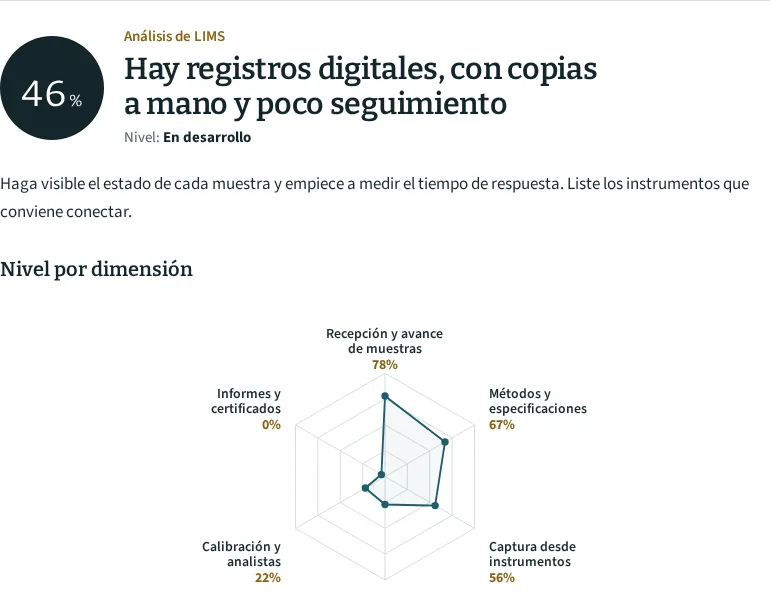
36 questions, 9 minutes
Example: if results are copied by hand from the instrument to a spreadsheet, the result flags Instrument data capture and proposes starting with the highest-volume instrument.
Answers about LIMS
The LIMS runs the laboratory’s work; the QMS runs the company’s quality system. They share results and non-conformities.
In regulated sectors the system must be validated before use. The vendor validates it with your team; we check that it covers your requirements.
The vendor implements and validates the LIMS. We map the sample flow, define the certificate and instrument connections, and review the validation tests against that flow.
Review your LIMS result with Diego
Twenty minutes by video call or WhatsApp. Have at hand an issued certificate of analysis and the lab instrument list.
Assessment first: the review uses your answers.