- Home
- Systems
- Supply chain
- GTM
The real cost of every import, without redoing documents
Global trade management organises quotes, incoterms, shipments, documents and import costs allocated to each product. Diego analyses it with you and implements it on Odoo.
36 questions · result by dimension · free
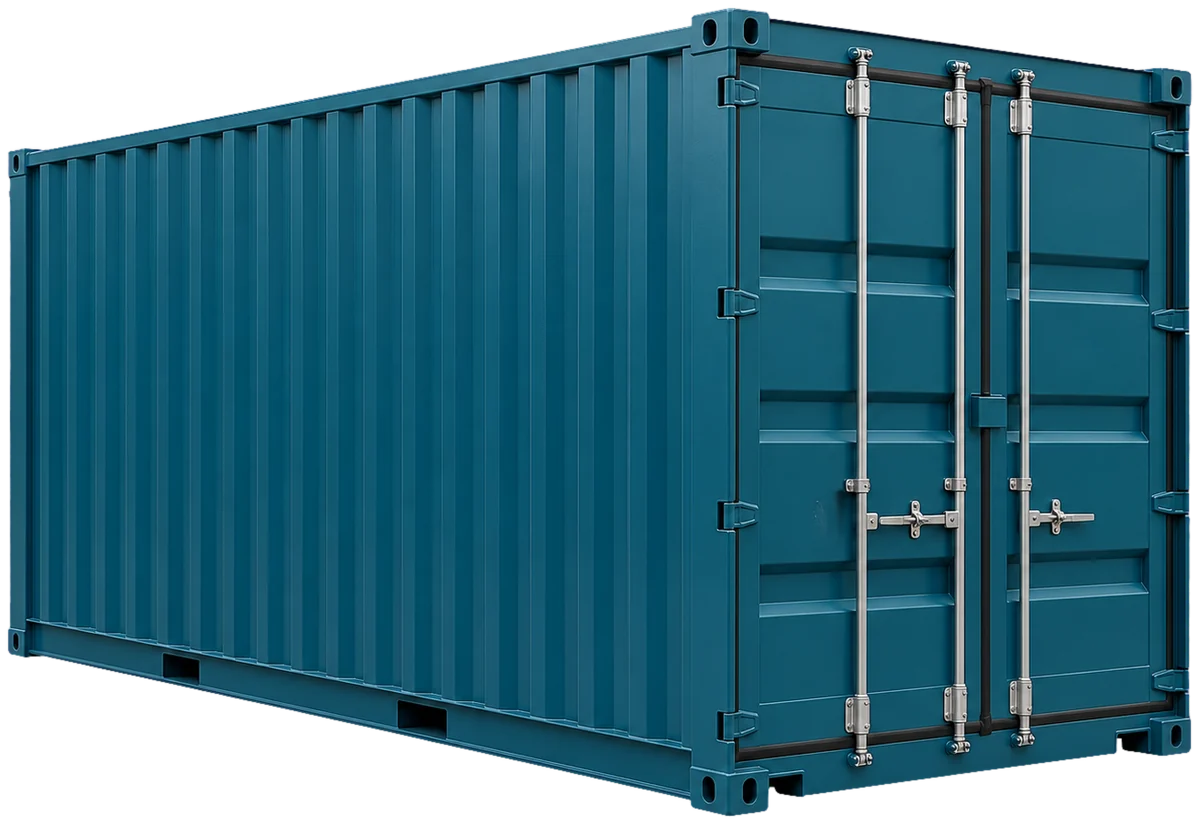
From supplier order to landed cost in the warehouse
Each shipment follows stages with estimated and actual dates, documents come from the order, customs broker data comes in without retyping, and freight, insurance and duties are added to product cost.
Without that order, each shipment is put together from loose files and the real import cost is known weeks later, once the selling price is already set.
- 01Export quote
- 02Import order
- 03Shipping documents
- 04Landed costs
- 05International collection
Processes it covers
Indicators that call for a GTM
These signs tend to coincide when each shipment is put together from loose files and landed cost is calculated outside the ERP.
- Export quotes are prepared in Excel templates
- Shipping lines, ports and incoterms are typed into each document
- Freight, insurance and customs are not allocated to product cost
- Letters of credit and collections are tracked outside the system
- Nobody knows which stage each shipment is at
- What the customs broker sends is retyped


Company profile for a GTM, and when it is not a fit
Good fit
- Importers and distributors that set prices from landed cost
- Exporters preparing a quotation, commercial invoice and packing list for each shipment
- Companies with several shipments a month and an ERP that does not add freight or duties to cost
Poor fit
- One or two imports a year: a manual costing checked by accounting is enough
- Customs brokers and logistics providers handling third-party shipments: a system built for their trade fits better
- Companies that only buy from local importers: they have no landed cost to allocate

Cost of imports without landed costing or a shipment file
Margin that is not real
If freight and duties are not added to product cost, product margin stops reflecting what it costs to bring it in.
Documents that disagree
Redoing the commercial invoice and packing list by hand leaves discrepancies that customs flags.
Lead times nobody measures
Without the real order-to-warehouse time, purchasing orders late and the stock-out arrives before the container.
GTM analysis method
The assessment follows a shipment from the order to the foreign supplier to the costed product in the warehouse: incoterm, documents, customs clearance, freight, insurance and duties.
Online assessment
36 questions on quotation, shipment, documents, customs broker, costing and international payments. The result shows at which stage the real cost is lost.
30-minute review
Diego reviews the result with you and asks for the file of one closed import: order, commercial invoice, customs declaration (DAM) and freight and broker invoices. From that he builds a test costing.
Import and costing workshop
Half a day with foreign trade, warehouse and accounting: shipment stages, incoterms in use, documents per stage, allocation method and treatment of exchange differences.
Phased implementation
Configuration on Odoo Purchase, Sales and Landed Costs in two-week stages, with the gap between estimated and actual cost measured before and after.
Dimensions of the GTM assessment
Quoting and shipment coordination
Example: How is an export price or the estimated cost of an import calculated before it is confirmed?
Trade data
Example: Do your products have their tariff code, weight, volume and origin recorded?
Tracking and documents
Example: How do you know which stage each shipment is at?
Integration with agents and accounting
Example: How are customs declaration data and assessed duties recorded and checked?
Import cost and lead time
Example: Do you compare estimated and actual cost on each import?
Trade team
Example: How many people know the whole global trade process?
International payments and file
Example: How are international payment terms and deadlines (letters of credit, collections, advances) controlled?
Your company's inputs to a GTM project
Data
- Complete files of two or three closed imports
- Foreign suppliers with the incoterms and currencies they use
- Tariff codes of the imported products
People
- Foreign trade or import manager
- One representative from accounting and one from the warehouse
Access and documents
- Odoo or current ERP database with an administrator user for purchasing and inventory
- Customs broker contact to agree the data format
Diego's services in a GTM project
Shipment map
We define with you the stages of an import or export, the documents for each one and who provides them.
Deliverable: shipment flow with documents per stage
Landed costing in Odoo
We configure Landed Costs with freight, insurance, duties and broker fees, using the agreed allocation and an estimated cost at shipment.
Deliverable: costing of a real import reconciled with accounting
Broker and shipping line data
We agree a file format with the customs broker and freight forwarder that loads into the system, instead of PDFs that get retyped.
Deliverable: broker data load tested on one shipment
Training and go-live
We train foreign trade, warehouse and accounting, and measure the gap between estimated and actual cost on the first shipments.
Deliverable: manual per role and measured cost gap
Platforms we compare for a GTM
Odoo
Odoo Sales, Purchase and Landed Costs, with add-ons for export and import templates. It is the base Diego implements with.
Other recognised platforms
- SAP Global Trade Services
- Descartes
- Thomson Reuters ONESOURCE Global Trade
- Magaya
- CargoWise
Comparison criteria
- Landed costs allocated by value, weight or volume
- Shipment stages with estimated and actual dates, and documents generated from the order
- Loading customs broker and shipping line data without retyping
- Letters of credit, foreign payments and exchange differences in accounting
The order of the list implies no preference. The choice of a trade platform comes from your customs regimes, your brokers and how you allocate landed cost.
Systems a GTM exchanges data with
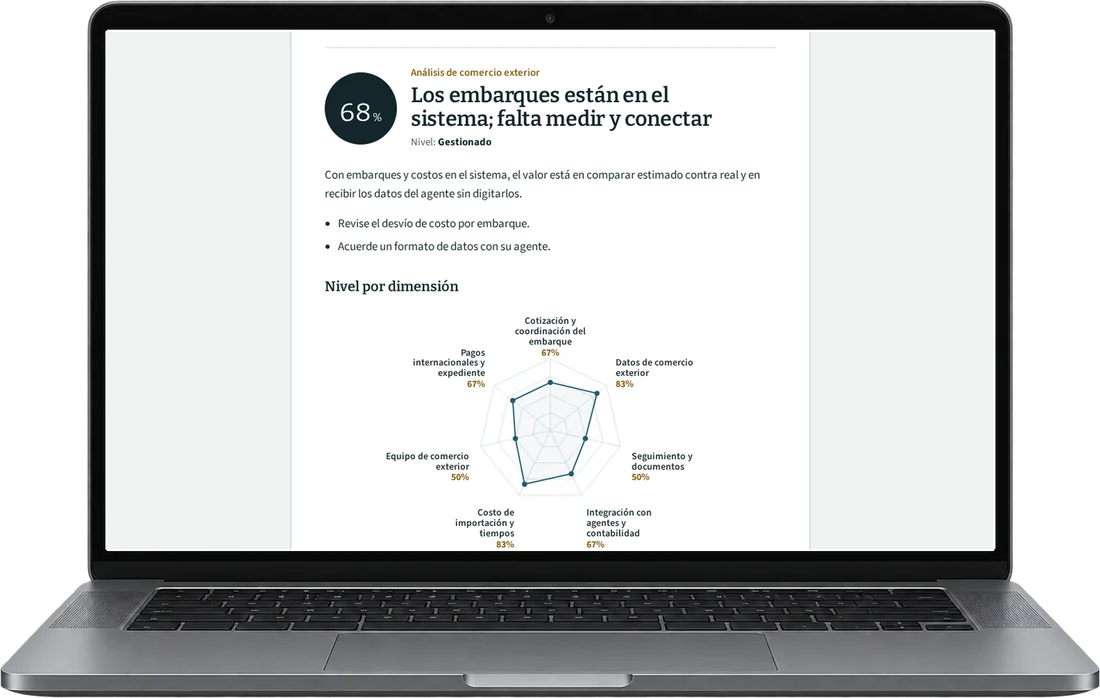
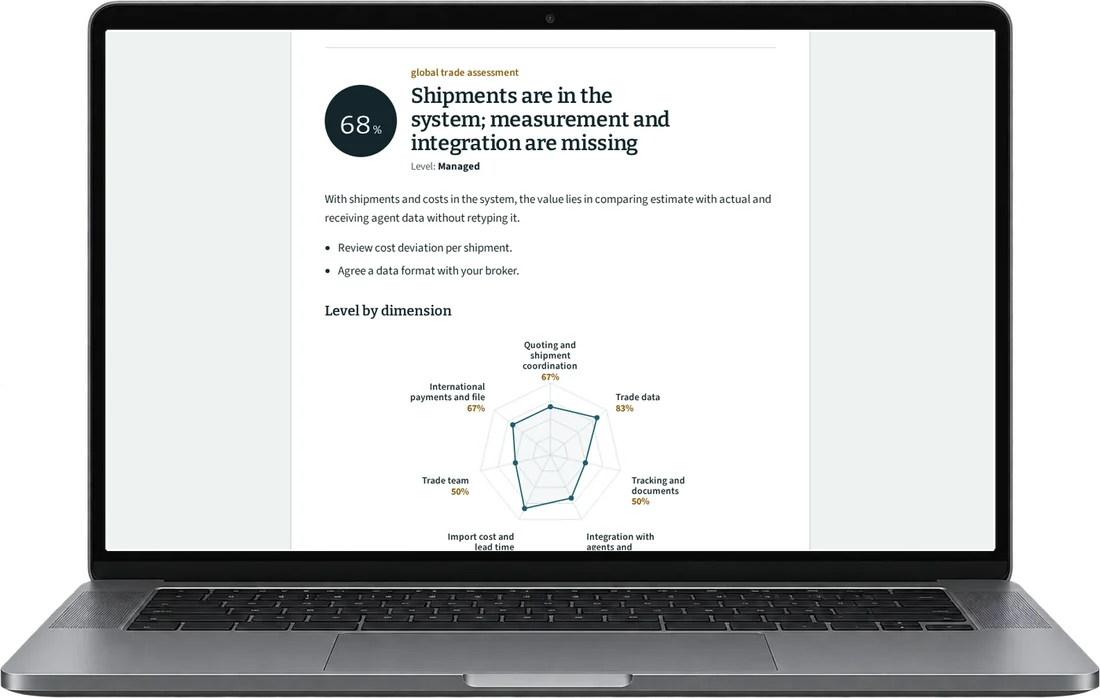
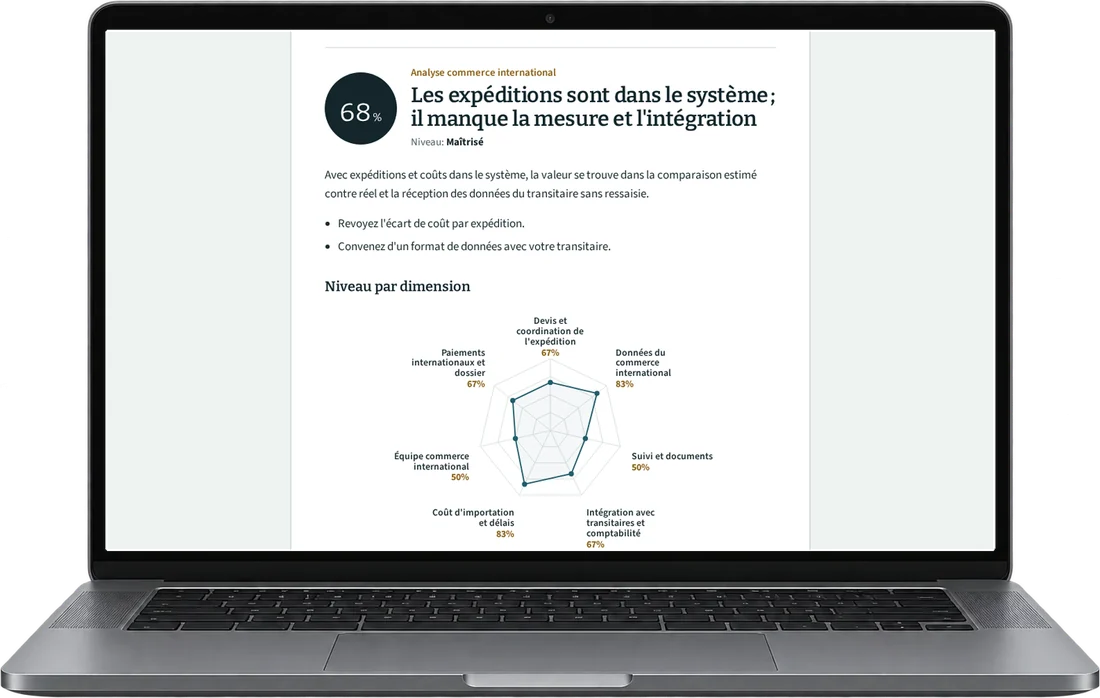
GTM assessment result in 36 questions
The analysis measures how your company quotes, coordinates, clears and costs its imports and exports. The questions describe concrete practices with suppliers, customs brokers, shipping lines and the warehouse.
Scored dimensions
- Quotation and overseas ordering. Looks at whether the export price or estimated import cost is calculated with defined components and whether the supplier order is planned using stock and goods in transit.
- Tariff codes, incoterms and master data. Looks at whether each product carries tariff code, weight, volume and origin, and whether incoterms, ports and shipping lines are chosen from closed lists.
- Shipment stages and documents. Looks at whether the stage of each shipment is known with estimated and actual dates, whether commercial documents are checked and whether lead time to goods in the warehouse is measured.
- Customs declaration and landed cost. Looks at how the customs declaration and duties are recorded, how freight, insurance and charges are allocated to each product's cost and whether estimated cost is compared with actual.
- Trade team know-how. Looks at how many people master the full import and export process, and how a new person learns to prepare a shipment.
- Payments, requirements and file. Looks at whether letters of credit, collections and advance payments are tracked with their due dates, whether permits and restrictions are checked before shipping and whether each operation's file is complete.
What you receive
When you finish you receive your level in six foreign trade dimensions and the gaps ranked by weight. Each gap points to a first action you can test on the next shipment.
18 scored questions and 13 context questions (type of operation, size, current system). Context questions are not scored: they let us read the result against similar operations.
Common questions about a GTM project
They keep doing their job. What changes is how their information arrives: in an agreed format loaded into the system, instead of PDFs that get retyped.
At shipment an estimated cost for freight, insurance and duties is recorded; when invoices arrive it is adjusted to actual. That way prices are set on a cost close to the final one.
For logistics operators or high shipment volumes, we compare with specialised systems before proposing Odoo. The decision is made with your data.
The online GTM assessment and the 30-minute review are free. If a workshop or a project makes sense afterwards, you get a proposal with scope and deliverables before deciding.
Only Diego Muñoz sees your answers on import file, landed costing and customs clearance, to prepare the review. They are not shared with third parties or used for bulk mailings.
A 30-minute GTM review with Diego
Take the assessment and book the review with the file of one closed import. Diego Muñoz replies in person, on Lima time.
WhatsApp +51 919 488 260 · damunoz@dmunozgroup.com